Tuesday, October 28, 2014

The Fix: Addiction and Recovery, Straight Up
Best of the Week:
October 18–24
COMING UP IN THE FIX// Recovery on the Small Screen in New Sitcom "Mom" *Daniel Genis on Legal but Deadly K2 * The Hypocrisy of Smoking * Tales from a Relapser's Bed * Two Bipolar Chicks: Guide to Survival * Ask an Expert: How Can I Survive My Son's Death? * PLUS: Other incisive articles
Q&A// The David Sheff Solution
Author David Sheff on the stigma of addiction, the concept of rock bottom, the rise of video game addiction, and how to help the most vulnerable among us, in The Fix Q&A.
By John Lavitt
SAVING LIVES// A Time-Out for Death
Free Narcan kits give hope to parents in Staten Island OD epidemic.
By Neville Elder
AND AGAIN// Substituting Addictions
Many people will substitute one addiction for another during or after the recovery process from their original addiction. Are these people destined to become addicts for life, battling a never-ending cycle of recovery and relapse?
By Jeanene Swanson
TIME UP// Finally Free: Sobriety After 21 Years in Prison
Longtime Fix columnist Seth Ferranti is out of prison and writing from a halfway house.
By Seth Ferranti
SLIDESHOW// 15 Reality Stars Busted For Drugs
These reality stars are addicted to the spotlight... and maybe more.
By McCarton Ackerman
Good morning everyone, this Friday evening will be a special night at road to recovery with a concert from the band Grandeur coming through all the way from Missouri. Starting at 7pm www.grandeurband.com They will also be playing the following night at Souled Out coffeehouse in the Northeast.. please invite some friends out for this Halloween alternative event. I will be sharing a message from Matthew chapter 11 verse 28 to 30 "Come unto me all who are weary and heavy laden and I will give you rest." See you there!! Bring some goodies!!

San Francisco Bill Would Require Drug Makers to Fund Take-Back Program
October 23rd, 2014/


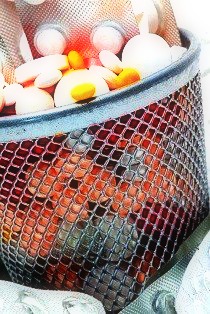
Officials in San Francisco have introduced a bill that would require drug manufacturers to fund and manage a take-back program for prescription drugs. The move follows a decision earlier this month by a federal appeals court that forces drug makers to pay to dispose of unused and unexpired medications in Alameda County, California.

San Francisco has a pilot drug take-back program, The Wall Street Journal reports. The pharmaceutical industry provides about 40 percent of the funding for the program. The bill would expand the number of drop-off sites from 13 to as many as 60.

“There has been great demand for a permanent solution to this environmental, public health and public safety issue. We all have unused and leftover drugs in our homes, but not all of us have a reasonable means to properly discard them,” San Francisco Board of Supervisors President David Chiu said in a statement.

Alameda County passed an ordinance in 2012 to establish a drug take-back program. The county said the measure is the first in the nation to require drug makers to set up a program to dispose of expired and unused medications. County officials said the annual cost of the program will be about $330,000. The industry trade group, Pharmaceutical Research and Manufacturers of America, estimates the program would cost drug makers about $1.2 million.

The county wants to reduce contaminants in drinking water by giving people an alternative to flushing their medications down the toilet. Officials also hope the measure will reduce prescription drug abuse by reducing the amount of medication in home medicine cabinets.

The pharmaceutical industry filed a lawsuit that claimed the measure violates the Constitution by interfering with interstate commerce. The suit argued safe disposal of unused medications should be a shared responsibility, and that requiring drug companies to pay for the entire cost would ultimately result in increased prices for consumers.

Participation in High-Contact Sports Increases Teens’ Risk of Substance Use: Study
October 23rd, 2014/


Teens who play high-contact sports such as football, hockey, lacrosse or wrestling are more likely than those who play noncontact sports to drink alcohol or smoke cigarettes or marijuana, a new study suggests.

Playing noncontact sports such as tennis, swimming, track and gymnastics reduced the risk of substance use, Medical Xpress reports.

“Competitive sports participation can either inhibit or amplify substance use. It just depends upon which type of sport adolescents are involved with,” researcher Philip Veliz of the University of Michigan said in a news release.

Veliz said teens who play high-contact sports see their body as an instrument that can be easily gambled with. Those who play sports involving minimal or no contact are focused on maintaining their fitness, he added. The findings cast doubt on the belief that participating in any type of competitive sport will discourage teens from engaging in risky behaviors like substance use, Veliz noted.

The researchers used data from the annual Monitoring the Future survey, which asks teens about a range of topics including substance use, academic performance and participation in competitive sports. More than 21,000 teens were asked about substance and illicit drug use during a 30-day period, the article notes. The findings appear in the journal Substance Use & Misuse.

NIH Provides Grants to Explore Use of Social Media to Prevent, Treat Substance Use
October 23rd, 2014/


The National Institutes of Health (NIH) will fund researchers who are studying the use of social media, including Facebook and Twitter, to prevent and treat substance use and addiction.

The NIH announced it will provide grants totaling more than $11 million over three years, according to Medical Daily. “We hope to learn more about how changing technologies affect interpersonal communications and factual knowledge about tobacco, alcohol, and illicit drugs, including the nonmedical use of prescription drugs,” Dr. Nora D. Volkow, Director of the National Institute on Drug Abuse, said in a news release.

Scientists can use social media to identify current attitudes and myths about alcohol, drugs and tobacco, the article notes. They can also use social media to convey accurate information to the public, and to learn about patterns of use, risk factors and behaviors associated with substance use.

Grant recipients include Dr. Sean Young of the University of California, Los Angeles, who will use his NIH award to study the feasibility of using social media to reduce prescription drug abuse among patients with chronic pain. Dr. Yong Ge of the University of North Carolina at Charlotte will use data mining techniques to extract tweets related to substance use. Dr. Warren Bickel of Virginia Tech will investigate whether social networks can support continued recovery


CALENDAR LISTING: 

“Expanding Your Recovery Toolkit” Workshop Nov. 18 in Doylestown


Free monthly workshop series for individuals and families with a current or pastdrug/alcohol addiction issue. Next session meets Tuesday, Nov. 18, 7 p.m. to 8:30 p.m. at The Council of Southeast Pennsylvania, Inc., 252 W. Swamp Rd., Unit 12, Doylestown, Pa. Featuring presentations by speakers in recovery, plus a group discussion period. Refreshments. To register, call 215-345-6644, ext. 3151 or email RPetrolawicz@councilsepa.org.