Sunday, December 9, 2012

RIMROCK BILLINGS MONTANA

About Us

Alcohol, Drug, Eating Disorder, Gambling Addiction, Drug Addiction, Treatment in the Northern Rockies
With over 40 years of experience in treating addictive diseases and compulsive behaviors, Rimrock Foundation offers the most comprehensive and effective treatment services available.  Providing inpatient and outpatient care, Rimrock’s staff of highly qualified and exceptional faculty offers specialized care that is tailored to the individual and their needs.
  • Co-occurring disorders
    • Established, proven programs are in place for patients with co-occurring disorders that may include mental health issues such as depression and compulsive behaviors, including gambling.
  • We also have specific programs for Teen Alcohol Treatment and Teen Drug Treatment and a leader in providing effective treatment for eating disorders such as Anorexia and Bulimia.
  • Outpatient and Intensive Outpatient
    • Providing top quality outpatient and aftercare services, we are consistently breaking new ground by crafting innovative and new successful addiction treatment programs to assist people who suffer from compulsive and addictive behaviors.
  • Partial Hospitalization and Medically Monitored Inpatient
    • Rimrock Foundation pioneered the use of the integrated treatment model and we continue to lead the field of addiction treatment providers.  We set the standard for alcohol and drug addiction inpatient treatment.
    • Inpatient Treatment is the keystone component in the treatment of, and successful recovery from, addictions and co-occurring disorders.
We do so much more than treat the addiction.  At Rimrock Foundation, we help individuals find balance and regain consistent life choices to improve their lives and their health.  Our integrated treatment model promotes healthful life choices and stems from a unique therapeutic learning environment that sustains and encourages long term growth and healing. Our staff of 60 has one goal – helping patients choose freedom and health over sick dependencies.
Individualized, Flexible, Family Centered, and Affordable treatment in the Northern Rockies – Rimrock Foundation is where new beginnings start everyday.
 Rimrock Foundation | 1231 North 29th Street | Billings, MT 59101
(800) 227-3953 | (406) 248-3175

Opioid Overdose Treatment and Prevention: Often Overlooked at Community Level


While many programs aimed at prescription drug abuse focus on how to stop diversion of medications, an often overlooked but critical issue is preventing and treating opioid overdoses, according to a Brown University researcher.
Traci Green MSc, PhD, Assistant Professor of Emergency Medicine and Epidemiology, studied prescription opioid overdoses in three communities in Connecticut and Rhode Island that were experiencing a rash of deaths from opioid overdoses in 2009.
“Our goal was to understand not just why it was happening, but what we can do now to prevent it,” said Dr. Green, who spoke about her research at the recent annual meeting of the Association for Medical Education and Research in Substance Abuse.
Dr. Green and her colleagues conducted a rapid assessment and response project, convening a community advisory board of substance abuse treatment professionals, people in the recovery community, active opioid users, EMS providers, and state and local officials to guide their research. They looked at data on prescription opioid overdoses, collected interviews with 195 people, and discussed how to respond to the growing crisis.

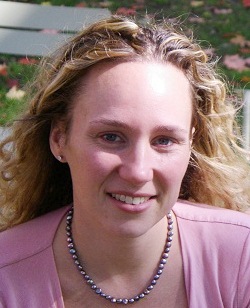
Dr. Traci Green

“We found that awareness around the topic of overdose and drug poisoning was lacking,” Dr. Green said. “People didn’t know it was a problem. They didn’t know what an overdose looks like. It made us realize that in these communities, there is a great deal of stigma around prescription opioid overdoses.”
The community advisory board came up with a number of suggestions, including working with local clinicians specializing in treating substance abuse and chronic pain, to develop safer prescribing tools that would be locally relevant. They devised resources for clinicians with concerns about patient addiction or drug diversion. They created and distributed posters and other educational materials in English and Spanish to inform the public about opioid overdoses in the small towns and suburban New England communities experiencing the overdose outbreaks.
The group also made recommendations on how clinicians can talk with their patients about oversedation and symptoms of overdose. “People taking opioids need to talk with their loved ones or people they live with about these issues. They also need to create a household-based intervention for securing pills, especially if they live with young people, because they have medication for pain control in their home that has the potential to be a fatal poison.”
While both Connecticut and Rhode Island have prescription monitoring programs (PMPs), they, like most such programs, are designed to thwart “doctor shopping,” and generally do not offer resources on overdosing, according to Dr. Green. Her group worked with the agencies that run PMPs in those two states to provide online tools for clinicians, and to develop materials aimed at preventing and treating overdoses.
Dr. Green found the communities she worked with were interested in programs to use naloxone (Narcan), a drug that safely reverses the potentially fatal side effects of an overdose of oxycodone, heroin and other opioids. It has been routinely used by emergency rooms and ambulance crews for decades. In the past few years, naloxone has been distributed free to opioid users and their loved ones, in a growing number of sites around the country.
A recent report by the Centers for Disease Control and Prevention (CDC) found that widely distributing naloxone, and training people in how to use it, could save many lives. It has successfully reversed more than 10,000 drug overdoses since 1996, according to the CDC report. Through the study, three substance abuse treatment centers and one recovery center in the study communities hosted pilot programs of prescribed take-home naloxone. They continue to offer the medication to clients, as part of the Connecticut Department of Mental Health and Addiction Services’ new naloxone initiative.
As a result of increased awareness about opioid overdoses, which came about in large part through Dr. Green’s research, both Connecticut and Rhode Island passed Good Samaritan laws during the course of the study. The laws give people limited immunity on drug possession charges if they seek medical help for someone suffering from an overdose. Rhode Island’s new law also promotes and protects the administration of naloxone by laypersons in a witnessed overdose.
Another important outcome of the study was educating local officials that opioid overdoses are not just a problem in major cities, but are also occurring in towns and suburbs, Dr. Green noted. “Treatment centers are often located in cities but drug use is everywhere. Limited or no treatment options – what we call ‘treatment deserts’ – in small towns and suburbs are contributing to the overdose deaths we are seeing there. We need to think about how to bring treatment opportunities to troubled non-urban areas – through satellite centers, using transportation vouchers to allow clientele to come to the larger treatment centers, or other options.”
One issue that needs attention in communities, Dr. Green observes – even in the small towns and suburbs like the ones she studied – is the high risk of overdose and relapse for prisoners leaving correctional facilities. “There is a need to work with the incarcerated population before they leave to get overdose prevention messaging, both for heroin and prescribed pain medication,” she says. “It needs to be part of pre-release planning. This is a profound risk that we cannot ignore.”

Saturday, December 8, 2012

PHILADELPHIA RECOVERY COMMUNITY CENTER CELEBRATES FIFTH ANNIVERSARY


Dec. 10 dinner marks holidays and five years of service

PHILADELPHIA, Pa. —Dec. 4, 2012 — When the Philadelphia Recovery Community Center (PRCC) hosts its holiday dinner on Dec. 10, the celebration will mark more than the season. The party will also celebrate the fifth anniversary of the center, which was established in 2007 to provide programs and services to help individuals sustain long-term recovery from addiction to drugs or alcohol.

“The center provides a place where people can come to build a strong foundation for recovery and to meet other people in recovery,” said Sean Brinda, senior peer services coordinator at PRCC.

PRCC is a collaboration between Pennsylvania Recovery Organization-Achieving Community Together (PRO-ACT) and the City of Philadelphia Department of Behavioral Health and Intellectual DisAbility Services. Programs and services include peer-to-peer recovery coaching, life skills workshops, housing and credit information sessions, health and nutrition programs, discussion groups, drug- and alcohol-free social activities and more.  In fiscal year 2011-2012, the center provided 1,561 individuals with more than 17,100 hours of recovery support services.Drawing on staff and volunteer resources, PRCC offered an average of 85 events and activities each month.

In its first five years, PRCC has made a positive impact. Its programs and services contributed to a 64.3-percent increase in education or employment among clients and a 81.1-percent increase in stable housing. The center also helped clients avoid substance use and illegal activities, according to data obtained from the Government Performance Results Act (GRPA) baseline and six-month follow-up assessments.

PRCC is located at 1701 W. Lehigh Ave., Unit 6, in North Philadelphia. To learn more, visit http://www.councilsepa.org/programs/pro-act/philadelphia-rcc/ or call 215-223-7700.


About PRO-ACT
PRO-ACT is the regional nonprofit organization working to mobilize and rally individuals in recovery from addiction, as well as their families, friends and allies in a campaign to end discrimination, broaden social understanding and achieve a just response to addiction as a public health crisis. PRO-ACT is hosted by The Council of Southeast Pennsylvania.

About The Council of Southeast Pennsylvania, Inc.
The Council of Southeast Pennsylvania, Inc. is a private nonprofit prevention, education, advocacy, and intervention organization, providing a wide range of services to families, schools, businesses, individuals, and the community. Founded in 1975, The Council serves the Southeast region of Pennsylvania and is a member of a nationwide network of National Council on Alcoholism and Drug Dependence Affiliates. The Council has offices and Recovery Community Centers in Doylestown, New Britain, Bristol, and Philadelphia. For help with alcohol, tobacco or other substances, or for information on the disease of alcoholism and addiction, call 800-221-6333, toll-free, 24-hours a day. For more information, visit www.councilsepa.org.

    
Christmas with the Angels: Sunday, Dec. 9


Join the fun on Sunday, December 9, 2012 from 1:00 pm to 4:00 pm as COA celebrates Christmas! 

Watch Santa ride in on his motorcycle, enjoy piping hot chocolate, freshly brewed coffee, tea, desserts and an ice cream sundae bar (all free!), make some Christmas cards, wrap your gifts (also free!).....between 1:30 and 2:30 pm, Santa will be taking pictures with children and from 3:00 to 4:00 pm, Santa will be posing with pets. Pictures with Santa are just $5 each for a 5" x 7" frameable masterpiece. 

Last year's COA Christmas was so much fun....to watch it on video, click here.  

For more details about this event, or to volunteer to help with it, contact CityofAngelsNJ@hotmail.com.
Superstorm Sandy Volunteer Opportunities 
For anyone interested in volunteering some time to help Superstorm Sandy victims: there is still a huge need. The shore continues to deal with debris like fallen trees and power lines, gas shortages and limited operation of food stores due to lack of power. Many shore residents have lost their jobs and still can't get back into their homes. 
 
If you would like to help, Cheryl Mulliken will be coordinating volunteers with COA for a relief project being run by the Church of Visitation in Brick Township. Volunteers are needed for many different jobs including signing families in, boxing up supplies and delivering them as needed. The hours of operation are any time between 8:00 am - 6:00 pm (there is no minimum or maximum hours required) on any day from Monday through Saturday for the next six weeks only. After that, supplies will be centralized in a warehouse located in Lakewood and volunteers will be needed for years to come. 
 
Cheryl will be volunteering every other Tuesday for the next six weeks and any additional days that she is not scheduled to work. If you would like to join her, please contact her at tsbgirl@aol.com or 609-689-4889To learn more about the Church of Visitation's project, click here.
 Tidbits 
 COA hosts support group meetings for both addiction sufferers and their families every day of the week at the Dwier Center (392 Church Street, Groveville, NJ). This includes 12-step meetings, a Sunday night Spirituality Meeting and the popular Sunday morning Family Support Group. To check out our online calendar, click here.
 
 
For directions to the Dwier Center, click here. 
 
 
The COA website now offers an Addiction News Feed with the latest studies, reports, new and other info on addiction. It's updated in real time with top 30 articles. To read the feed, click here. 
New videos are up on the COA YouTube channel. To watch, click here.


Join COA's Pinterest community! To visit the boards, click here.


Keep current on COA activites - join the COA group on Facebook!  COA news is posted first on Facebook, and this page often has photos not available elsewhere. Click here to visit.
 

City of Angels NJ, Inc. is a non-profit organization that provides many services to addicts and their families including interventions, recovery support, Family Program, counseling services and more. All of our services are provided at no charge.

Friday, December 7, 2012

Friday, December 7, 2012
Today's Scripture
"All a man's ways seem innocent to him, but motives are weighed by the LORD. Commit to the LORD whatever you do, and your plans will succeed." - 2 Proverbs 16:2-3 NIV
Thoughts for Today
For our last look this week at inventorying our lives, let's think about choices in the workplace. Sometimes we tend to live by a different set of standards in our career or business, but God wants us to be guided by his principles in every area of our lives. It is especially important to consider our motives for doing what we do at work. Are we motivated mostly by our desire to move up the ladder and make more money—or is honoring Jesus still our most important motivator?
In taking inventory, make a list of questions to ask yourself. You might want to use some like these:
  • Have I been swept into a competitive mode that causes me to try to get ahead even at the expense of hurting other people?
  • Do I base business decisions solely on my desire to succeed, or do I first consider the integrity of my choices?
  • Has my work become so all-consuming that I am putting it above my focus on my family?
  • Am I participating in workplace gossip or complaining?
  • What kind of influence am I having on those around me?
Consider this …
Honestly inventorying your attitudes and actions in the workplace is the first step toward correcting any problem areas. As you confess your failures to God, he will forgive you and help you chart a better path. Jesus loves you. Only as you choose to do things his way will you find real success—the kind that lasts for an eternity.
Lord, help me clearly see my motives for all I do in the workplace. Forgive me for letting my desire to get ahead in my career overshadow my desire to honor you in all I do. I pray above all that my employer and co-workers will see Jesus in me and that you will use me to encourage them and influence them toward you. In Jesus' name …
These thoughts were drawn from …
Stepping into Freedom: A Christ-Centered Twelve-Step Program by Jimmy Ray Lee, D.Min. This twelve-step program is suggested for use in support groups, recovery groups and home groups. It offers help for anyone struggling with a life-controlling problem like drug addiction, alcoholism, sexual addiction, gambling or workaholism. Note: This curriculum was written especially for small groups and we encourage people to use it that way. However, it can also be used effectively as a personal study for individuals or couples.  
 
 
PO Box 22127 ~ Chattanooga, Tennessee 37421 ~ 423-899-4770
© Living Free 2007. Living Free is a registered trademark. Living Free Every Day devotionals may be reproduced for personal use. When reproduced to share with others, please acknowledge the source as Living Free, Chattanooga, TN. Must have written permission to use in any format to be sold. Permission may be requested by sending e-mail to
info@LivingFree.org.

Parents More Important Than School in Preventing Use of Alcohol, Marijuana Use


A new study concludes that parental involvement is more important than the school environment in preventing or limiting children’s use of alcohol or marijuana.
Researchers evaluated data from more than 10,000 students, parents, teachers and school administrators. They looked at “family social capital”—bonds between parents and children—as well as “school social capital”—a school’s ability to provide a positive environment for learning, Science Daily reports.
Measures of family social capital include trust, open communication and active engagement in a child’s life, while school social capital includes student involvement in extracurricular activities, teacher morale and the teachers’ ability to address student needs.
“Parents play an important role in shaping the decisions their children make when it comes to alcohol and marijuana,” study co-author Dr. Toby Parcel of North Carolina State University said in a news release. “To be clear, school programs that address alcohol and marijuana use are definitely valuable, but the bonds parents form with their children are more important. Ideally, we can have both.”
The researchers found students with high levels of family social capital and low school social capital levels were less likely to have used either marijuana or alcohol, or to have used them less frequently, compared with students with high levels of school social capital and low family social capital.
The study appears in Journal of Drug Issues.